
From plantations and farms in Kentucky and Tennessee, Mollie Barnes had a story to tell and a message to convey.
Her story started in the late 1850s, when she was enslaved, and continued when she was a newly freed woman. Yet it wouldn’t be fully told until decades later, through her quilts and the African American tradition of oral history, spread through generations of her family. Her message was to enslaved people seeking freedom and those already free, and to her children, and their descendants; those who would be born free decades after she died. Those descendants would spread their wings across America, including to Seattle.
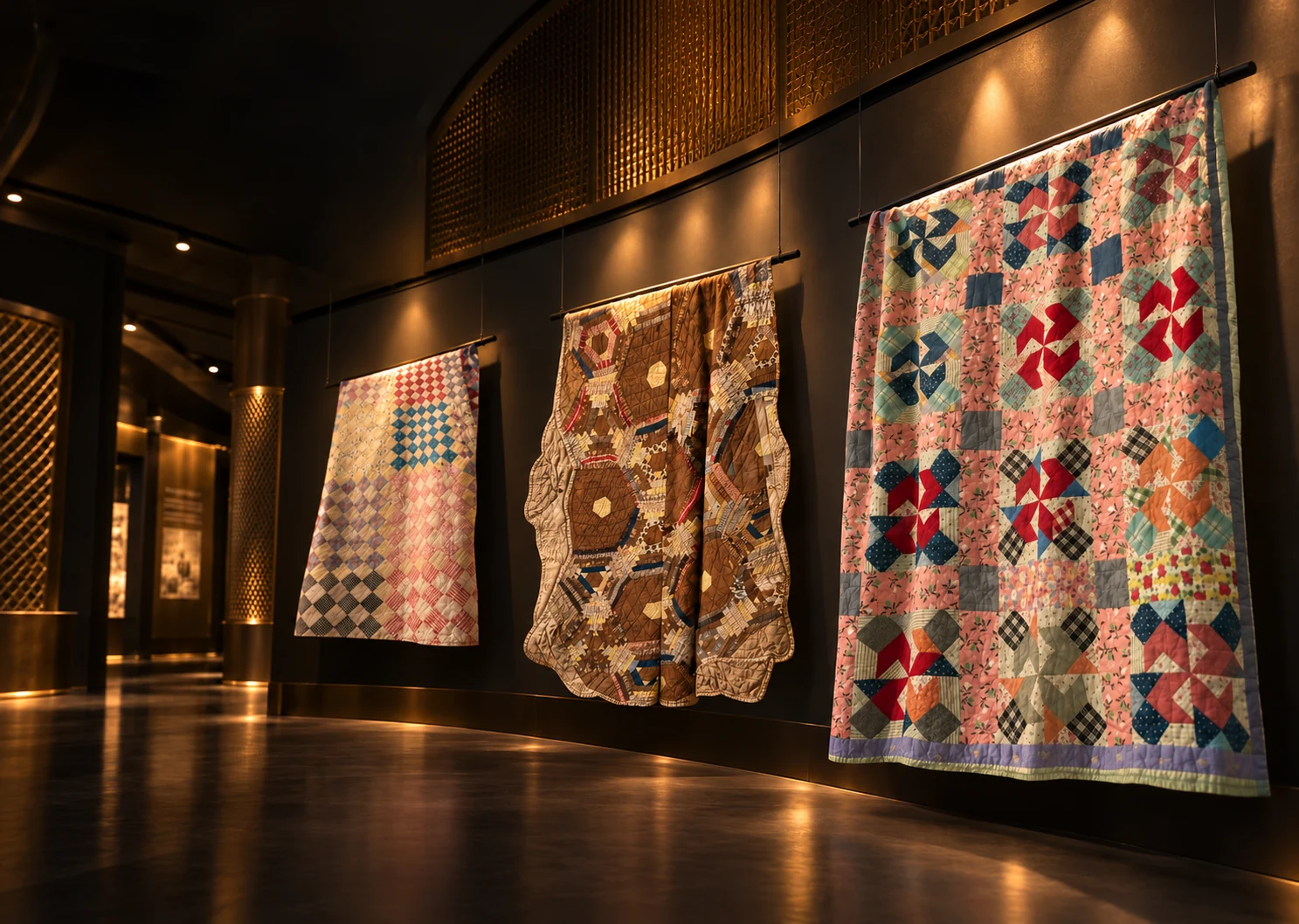
Now Jim Tharpe bears the story and messages left by his great-great grandmother in the form of 12 quilts she created. The Seattle man is on a mission to ensure the tale and legacy will educate and enrich thousands for decades to come.
More than 150 years have passed since Mollie made those colorful works of fabric art. At 76 and with no children, Tharpe is the last in the family to be trusted with the precious heirlooms. His dream is to create a traveling exhibit to share the quilts with the entire country. After he’s gone, he wants the collection to remain intact so people can learn the story of his family and what it says about America’s history.
Mollie’s story is one that’s all too familiar for Black families, like mine, who can trace their roots back to slavery. It’s a story of brutality, working without pay from sun up until sundown, all while praying for a better day for future generations. And as enslaved people who were once counted as property, it’s a story full of color and intrigue that’s pieced together over time — like a quilt.